info@groundmachinery.com    +86-532-67731508
Cont

Have any Questions?

+86-532-67731508

Cup Grinding Wheel
video
Cup Grinding Wheel

Cup Grinding Wheel

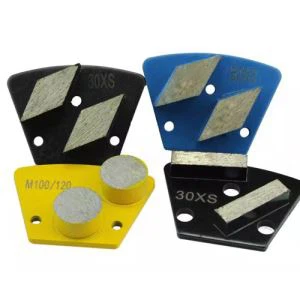
Cup grinding wheel is effective in grinding concrete floor, different segments, sizes and grits and hardness can be customized, they are mainly used in angle grinder and small edge floor grinder for rough floor grinding and coating removal.
Send Inquiry

Product Introduction

Cup grinding wheel is effective in grinding concrete floor, different segments, sizes and grits and hardness can be customized, they are mainly used in angle grinder and small edge floor grinder for rough floor grinding and coating removal. The common size is 5" and 7" with medium bond 30# grit, we can make other grit and size as request. Give you competitive price and reliable quality for cup grinding wheel.

What is Cup Grinding Wheel


Cup grinding wheel is a grinding wheel with a bowl or cup shape, usually made by mixing abrasive particles (such as diamond, corundum, etc.) and a binder (such as resin, metal, etc.) and then pressing them. It is mainly used for fine processing of hard materials, such as cutting, grinding and polishing of metal, stone, ceramic and other materials.


Features of Cup Grinding Wheel


Efficient Machining
The unique shape of the cup grinding wheel enables it to contact the workpiece surface more effectively, especially when processing complex curved surfaces or inner holes. This efficient contact area reduces machining time and improves production efficiency.


Good Adaptability
The design of the cup grinding wheel enables it to easily adapt to workpieces of different shapes and sizes, including parts with complex curved surfaces. This adaptability allows it to perform well in a variety of machining tasks.


Accurate Machining Quality
Due to its stable shape and uniform grinding ability, the cup grinding wheel is able to provide a high-precision machined surface. This is especially important for applications that require high-quality surface finish.


Long Service Life
High-quality abrasive and binder materials make the cup grinding wheel have high durability. They can withstand high workloads and maintain stable machining performance for a long time.


Easy To Control And Operate
The cup grinding wheel is usually designed to be easy to install and replace, which reduces the complexity of operation and maintenance. In addition, their operation is relatively simple, allowing operators to master the skills of use faster.


Versatility
The cup grinding wheel can be used for a variety of machining tasks, including cutting, grinding, polishing, etc. This versatility makes it one of the indispensable tools in many industrial fields.


How to Choose Cup Grinding Wheel


Machining Accuracy
Choose a grinding wheel with appropriate grain size and hardness according to the precision requirements of the machining task. The finer the grain size, the smoother the machining surface; the higher the hardness, the better the wear resistance of the grinding wheel.


Grinding Wheel Specifications
Choose the appropriate grinding wheel diameter according to the size and shape of the workpiece to be machined. Grinding wheels with larger diameters are suitable for large-area machining, while grinding wheels with smaller diameters are suitable for fine machining or inner hole machining.


Grinding Wheel Material
Common abrasives include diamond, corundum, silicon carbide, etc. Diamond grinding wheels are suitable for machining hard and brittle materials such as stone and concrete; while corundum and silicon carbide grinding wheels are suitable for machining metal materials. The binder bonds the abrasive particles together to form a grinding wheel. Common binders include resin, metal, and ceramic. Different types of binders have different effects on the strength, wear resistance, and heat resistance of the grinding wheel.


Applications of Cup Grinding Wheel
 

Metal Processing
In metal processing, cup grinding wheel is often used for cutting metal parts, removing burrs, and rough and fine grinding of surfaces. Its efficient grinding ability and strong adaptability make it excellent in processing metal workpieces of various shapes and sizes.


Stone Processing
In the stone processing industry, cup grinding wheel is widely used for cutting, grinding and polishing of stone. Whether it is marble, granite or other types of stone, cup grinding wheel can provide efficient and precise processing results. For special-shaped stones with complex shapes, cup grinding wheel can achieve high-quality processing with its flexible processing ability and precise grinding effect.


Ceramic Processing
In the ceramic manufacturing process, cup grinding wheel is often used for grinding and polishing ceramic surfaces to improve their appearance quality and touch. For the processing of ceramic parts (such as ceramic bearings, ceramic cutters, etc.), cup grinding wheel can provide precise dimensional control and smooth surface quality.


Concrete and Construction Field
In the construction industry, cup grinding wheel is often installed on concrete grinders for grinding and polishing concrete surfaces. This helps to remove surface unevenness and flaws, and improve the flatness and aesthetics of the floor. Cup grinding wheel is also widely used in the renovation and maintenance of stone floors. It can effectively remove stains, scratches and aging layers on the stone surface, restoring its original luster and texture.


Frequently Asked Questions
 

Q: What is a cup grinding wheel?

A: Cup grinding wheel is a grinding wheel with a bowl or cup shape, which is made by mixing abrasive particles (such as diamond, corundum, etc.) and a binder (such as resin, metal, etc.) and then pressing them. It is mainly used for cutting, grinding or polishing hard material surfaces such as metal, stone, ceramic and concrete.

Q: What is the main function of a cup grinding wheel?

A: Material Removal: The cup grinding wheel is designed to effectively remove material from the surface of a workpiece. Whether it is metal, stone, ceramic or concrete, abrasive particles embedded in the surface of the wheel wear away the material through friction and impact.
Surface Finishing: In addition to removing material, the cup grinding wheel also smoothes and polishes the surface of the workpiece, improving its appearance and functional properties. By adjusting the grit size and grinding pressure, the operator can achieve different degrees of surface finish.
Profiling and Contouring: Due to its cup-shaped design, the grinding wheel can conform and shape complex surfaces and contours, making it ideal for applications that require precise profiling or chamfering.

Q: What are the main advantages of cup grinding wheel?

A: Efficient processing: Its unique shape enables the grinding wheel to contact the workpiece surface more effectively and improve processing efficiency.
Good adaptability: It can easily adapt to workpieces of different shapes and sizes, including parts with complex curved surfaces.
Accurate processing quality: It provides high-precision processing surfaces to meet the requirements for surface finish.
Long service life: High-quality abrasive and binder materials make the grinding wheel highly durable.
Easy to control and operate: The design usually takes into account the convenience of operation, such as easy installation and replacement.

Q: How to maintain the cup grinding wheel to ensure its normal operation?

A: Check the grinding wheel regularly: During use, the wear of the grinding wheel needs to be checked regularly. Once it is worn to a certain extent, it should be replaced in time. Check whether the grinding wheel has abnormal vibration or makes abnormal sounds. If so, stop the operation immediately and check the installation of the grinding wheel or whether it is damaged.
Cleaning and maintenance: Clean the grinding wheel and grinder regularly to remove impurities and grinding chips on the surface of the grinding wheel to ensure the normal operation of the machine. When cleaning, avoid using water to directly rinse the grinding wheel to prevent damage to the grinding wheel structure.
Lubrication and calibration: Clean and lubricate the moving parts of the equipment regularly to reduce the degree of wear. In addition, you can also calibrate and adjust the grinding machine equipment to optimize the grinding and cutting functions.

Q: What factors affect the durability of cup grinding wheel?

A: Workpiece Material: The type and hardness of the material being ground has a significant impact on the durability of a cup wheel. Harder and more abrasive materials tend to wear the wheel faster.
Abrasive Material: The abrasive used in the cup grinding wheel, such as diamond, cubic boron nitride (CBN), or aluminum oxide, determines its wear resistance and ability to maintain a sharp cutting edge.
Grinding Wheel Composition: The choice of binder (e.g., resin, metal, vitrified) and its strength determine how well the abrasive grains are bonded and how well the wheel resists breaking.

Q: How to prevent cup grinding wheel from rusting?

A: Choose materials that are not easy to rust: During the grinding wheel substrate processing stage, materials that are not easy to rust, such as stainless steel, should be preferred to improve the overall rust resistance of the grinding wheel.
Surface cleaning and anti-rust coating of the substrate: Thoroughly clean the surface of the substrate, remove impurities such as oil and moisture, and apply an anti-rust coating to enhance its rust resistance.
Storage environment control: Ensure that the grinding wheel is stored in a dry and ventilated environment, avoid direct sunlight and humid air to reduce the risk of rust.
Avoid impact and collision: The grinding wheel is brittle and should be avoided from impact, collision, and falling to prevent the grinding wheel from breaking or being damaged and causing rust.

Q: What material is the cup grinding wheel made of?

A: Grinding wheel body materials include ceramic and resin. Ceramic materials have high hardness and wear resistance, and can withstand the pressure and heat generated during high-speed rotation and grinding. Ceramic grinding wheel bodies are generally used in grinding applications that require high wear resistance and stability. Resin grinding wheel bodies have good toughness and impact resistance, and can absorb vibration and impact during grinding to a certain extent. In addition, resin grinding wheel bodies also have good self-sharpening properties, and can maintain good grinding effects during grinding. Resin grinding wheel bodies are generally used in grinding applications with high requirements for precision and surface quality.
Grit material: Grit is the key part of the grinding wheel for grinding, and its material directly affects the grinding effect and the service life of the grinding wheel. Common grit materials include: aluminum oxide and silicon carbide. Aluminum oxide grit has high hardness and good wear resistance, and is suitable for grinding most metal and non-metal materials. Aluminum oxide grinding wheels have a wide range of applicability and can meet different processing needs. Silicon carbide grit has higher hardness and greater brittleness, and is suitable for grinding materials with higher hardness requirements. Silicon carbide grinding wheels perform well when machining materials such as cemented carbide and ceramics.

Q: What fields can cup grinding wheel be applied to?

A: Metal processing: It can be used to cut metal parts, remove burrs, and perform rough and fine grinding of surfaces.
Stone processing: It plays an important role in the process of stone cutting, grinding and polishing.
Ceramic processing: It can be used for grinding and polishing of ceramic surfaces, as well as processing of ceramic parts.
Concrete and construction fields: It can be installed on a concrete grinder for grinding and polishing of concrete surfaces, as well as renovation and maintenance of stone floors.
Automobile manufacturing and maintenance: It is used in the processing and repair of engine cylinder blocks, crankshafts and other parts.

Q: What factors affect ease of use of cup grinding wheel?

A: Material and hardness: The material and hardness of the grinding wheel directly affect its grinding performance and durability. Grinding wheels of different materials and hardness are suitable for different processing materials and processing requirements. Choosing a suitable grinding wheel can improve processing efficiency and processing quality.
Size and shape: The size and shape of the grinding wheel should match the workpiece to ensure the stability and accuracy of the processing process. Too large or too small a grinding wheel may affect the processing effect and even cause safety accidents.
Abrasive distribution and density: The distribution and density of abrasives on the surface of the grinding wheel will affect the grinding effect and the durability of the grinding wheel. Reasonable abrasive distribution and density can improve grinding efficiency and reduce grinding wheel wear.

Q: What are the disadvantages of cup grinding wheel?

A: The binder has a weak holding force on the abrasive grains: The binder of the cup grinding wheel has a relatively weak holding force on the abrasive grains. This results in the abrasive grains being easily detached from the grinding wheel when they become blunt during the grinding process.
Uneven wear: If used improperly or insufficiently cooled, the openings at both ends of the cup grinding wheel may wear faster than the middle area. Uneven wear will shorten the life of the grinding wheel and affect the processing accuracy and surface quality.

Hot Tags: cup grinding wheel, China cup grinding wheel manufacturers, suppliers, factory, concrete grinding for outdoor installations, concrete grinding in dry conditions, concrete grinding for sidewalks, concrete grinding for tunnels, cost effective concrete grinding tools, concrete grinding with low vibration tools

Send Inquiry

(0/10)

clearall