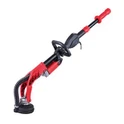
Grinding curved cement surfaces with a hand-held cement grinder requires a combination of specific techniques and the right equipment. As a supplier of hand-held cement grinders, I've witnessed firsthand the challenges and rewards of working on these unique surfaces. In this blog post, I'll share some essential techniques to help you achieve a smooth and professional finish when grinding curved cement surfaces.
Understanding the Basics of Hand-Held Cement Grinders
Before diving into the techniques, it's important to understand the capabilities and limitations of hand-held cement grinders. These tools are designed to be portable and versatile, allowing you to reach areas that larger grinders can't access. They typically use diamond or abrasive discs to remove material from the cement surface, and they come in various sizes and power levels.
When choosing a hand-held cement grinder for curved surfaces, look for a model with a variable speed control. This feature allows you to adjust the grinding speed based on the hardness of the cement and the desired finish. Additionally, consider the weight and balance of the grinder, as you'll be holding it for extended periods of time.
Preparing the Surface
Proper surface preparation is crucial for achieving a successful grind. Start by cleaning the curved cement surface to remove any dirt, dust, or debris. You can use a pressure washer or a stiff brush to clean the area thoroughly. Next, inspect the surface for any cracks, chips, or uneven spots. Fill any cracks or holes with a suitable cement patching compound and allow it to dry completely.
Once the surface is clean and dry, mark the areas that need to be ground. You can use a chalk line or a masking tape to create a guide for your grinding. This will help you stay on track and ensure that you achieve a consistent finish.
Choosing the Right Grinding Disc
The type of grinding disc you choose will depend on the hardness of the cement and the desired finish. For softer cement surfaces, a diamond disc with a lower grit count may be sufficient. These discs are more aggressive and can remove material quickly. For harder cement surfaces, a diamond disc with a higher grit count may be necessary. These discs are finer and can produce a smoother finish.
In addition to the grit count, consider the type of bond used in the diamond disc. There are three main types of bonds: resin, metal, and vitrified. Resin bonds are the most common and are suitable for general-purpose grinding. They are flexible and can conform to the shape of the curved surface. Metal bonds are more durable and are ideal for grinding harder materials. Vitrified bonds are the most expensive but offer the best combination of durability and cutting performance.
Using the Hand-Held Cement Grinder
Now that you've prepared the surface and chosen the right grinding disc, it's time to start grinding. Before you begin, make sure you're wearing the appropriate safety gear, including safety glasses, ear protection, and a dust mask. Hold the grinder firmly with both hands and position it at a slight angle to the curved surface. Start the grinder and allow it to reach full speed before making contact with the surface.
When grinding a curved surface, it's important to use a consistent motion. Move the grinder in a smooth, circular motion, following the contour of the curve. Apply light pressure to the grinder and let the disc do the work. Avoid applying too much pressure, as this can cause the disc to overheat and wear out quickly.
As you grind, periodically check the surface to ensure that you're achieving the desired finish. If the surface is too rough, you may need to switch to a finer grit disc. If the surface is too smooth, you may need to switch to a coarser grit disc.
Grinding Techniques for Curved Surfaces
Grinding curved cement surfaces requires a different approach than grinding flat surfaces. Here are some techniques to help you achieve a smooth and professional finish:
- Use a flexible grinding disc: A flexible grinding disc can conform to the shape of the curved surface, allowing you to achieve a more consistent finish. Look for a disc with a flexible backing that can bend and flex as you grind.
- Grind in sections: Instead of trying to grind the entire curved surface at once, break it down into smaller sections. This will make it easier to control the grinder and ensure that you achieve a consistent finish.
- Work from the outside in: When grinding a curved surface, start at the outside edge and work your way in towards the center. This will help you avoid creating any sharp edges or ridges.
- Use a light touch: Apply light pressure to the grinder and let the disc do the work. Avoid applying too much pressure, as this can cause the disc to overheat and wear out quickly.
- Keep the grinder moving: To avoid creating any hot spots or uneven wear on the disc, keep the grinder moving at all times. Move the grinder in a smooth, circular motion, following the contour of the curve.
Finishing the Grind
Once you've finished grinding the curved cement surface, it's time to finish the job. Start by cleaning the surface again to remove any dust or debris. You can use a vacuum cleaner or a soft brush to clean the area thoroughly. Next, inspect the surface for any remaining rough spots or uneven areas. If necessary, use a finer grit disc to touch up these areas.
Finally, apply a sealer or a polish to the curved cement surface to protect it and enhance its appearance. There are many different types of sealers and polishes available, so choose one that is suitable for the type of cement surface you're working with. Follow the manufacturer's instructions carefully when applying the sealer or polish.


Conclusion
Grinding curved cement surfaces with a hand-held cement grinder requires a combination of specific techniques and the right equipment. By following the tips and techniques outlined in this blog post, you can achieve a smooth and professional finish on your curved cement surfaces. Remember to always wear the appropriate safety gear and to follow the manufacturer's instructions when using your hand-held cement grinder.
If you're interested in purchasing a hand-held cement grinder or need more information about our products, please visit our website at Edge Grinder Concrete, Diamond Grinder for Concrete, or Concrete Diamond Epoxy Floor Grinder. Our team of experts is always available to answer your questions and help you choose the right equipment for your needs. Contact us today to start a procurement discussion and take your cement grinding projects to the next level.
References
- "Cement Grinding Handbook" by the Cement Manufacturing Association
- "Diamond Grinding Tools: A Guide to Selection and Use" by the Diamond Tool Institute
- "Surface Preparation for Concrete Grinding" by the Concrete Polishing Association