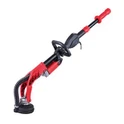
What is the humidity tolerance of a cement floor grinder?
As a supplier of cement floor grinders, I've received numerous inquiries about the humidity tolerance of these machines. Understanding the optimal humidity conditions for operating a cement floor grinder is crucial for achieving the best results and ensuring the longevity of the equipment. In this blog post, I'll delve into the factors that influence humidity tolerance, the ideal humidity range, and how to manage humidity during the grinding process.
Factors Affecting Humidity Tolerance
Several factors determine the humidity tolerance of a cement floor grinder. These include the type of grinder, the materials used in its construction, and the nature of the grinding task.
Type of Grinder
Different types of cement floor grinders have varying levels of humidity tolerance. For example, Diamond Floor Grinder are known for their durability and resistance to moisture. The diamond grinding discs are less likely to be affected by humidity compared to other types of grinding tools. On the other hand, grinders with electronic components may be more sensitive to high humidity, as moisture can cause corrosion and damage to the electrical parts.
Materials Used in Construction
The materials used in the construction of the grinder also play a significant role in its humidity tolerance. Grinders made from high - quality, corrosion - resistant materials such as stainless steel or aluminum are better able to withstand humid conditions. In contrast, grinders with components made from ordinary steel may rust more quickly in high - humidity environments.
Nature of the Grinding Task
The type of grinding task can also impact the humidity tolerance. For instance, when grinding a newly poured concrete floor, the moisture content in the concrete is much higher. In such cases, the grinder needs to be able to handle the additional moisture generated during the grinding process. If the grinder is not suitable for high - moisture conditions, it may lead to clogging of the grinding discs, reduced grinding efficiency, and even damage to the machine.
Ideal Humidity Range
The ideal humidity range for operating a cement floor grinder typically falls between 40% and 60% relative humidity. Within this range, the grinder can perform optimally, and the risk of damage due to moisture is minimized.
At humidity levels below 40%, the air is relatively dry. While this may seem beneficial in terms of preventing moisture - related damage to the grinder, extremely dry conditions can cause the concrete dust generated during grinding to become airborne more easily. This can pose a health hazard to the operator and also reduce the visibility of the work area.
On the other hand, when the humidity exceeds 60%, there is an increased risk of moisture - related problems. High humidity can cause the grinding discs to become clogged with wet concrete dust, which reduces their cutting efficiency. It can also lead to corrosion of the grinder's metal parts, especially if they are not properly protected.
Managing Humidity During the Grinding Process
To ensure that the humidity remains within the optimal range during the grinding process, several measures can be taken.
Use of Dehumidifiers
In enclosed spaces where the humidity is high, using a dehumidifier can help reduce the moisture content in the air. Dehumidifiers work by removing excess moisture from the air, bringing the relative humidity down to a more acceptable level. This not only protects the grinder but also improves the overall working conditions.
Ventilation
Proper ventilation is essential for maintaining a healthy humidity level. Opening windows and doors or using fans to circulate the air can help remove moist air from the work area and replace it with drier air. This is particularly important when grinding in large, poorly - ventilated spaces.
Monitoring Humidity
Using a hygrometer to monitor the relative humidity in the work area is a simple yet effective way to ensure that the humidity remains within the ideal range. By regularly checking the humidity levels, operators can take appropriate action if the humidity starts to deviate from the optimal range.
Impact of Humidity on Different Types of Cement Floor Grinders
Let's take a closer look at how humidity affects different types of cement floor grinders.


Concrete Floor Grinder With Vacuum
Concrete Floor Grinder With Vacuum are designed to collect the dust generated during the grinding process. High humidity can cause the dust to clump together, which may clog the vacuum system. This reduces the efficiency of the vacuum and can lead to overheating of the motor. In addition, the moisture in the air can cause corrosion of the vacuum's metal components, shortening its lifespan.
Portable Concrete Grinder
Portable Concrete Grinder are often used in various locations, and they may be exposed to different humidity conditions. These grinders are more vulnerable to humidity - related damage due to their smaller size and less robust construction. High humidity can cause the electrical components of portable grinders to malfunction, and the grinding discs may wear out more quickly due to clogging.
Conclusion
In conclusion, understanding the humidity tolerance of a cement floor grinder is essential for achieving the best results and ensuring the longevity of the equipment. The ideal humidity range for operating a cement floor grinder is between 40% and 60% relative humidity. By taking appropriate measures to manage humidity, such as using dehumidifiers, ensuring proper ventilation, and monitoring humidity levels, operators can protect their grinders from moisture - related damage.
If you're in the market for a high - quality cement floor grinder, we offer a wide range of products, including Concrete Floor Grinder With Vacuum, Diamond Floor Grinder, and Portable Concrete Grinder. Our grinders are designed to withstand various humidity conditions and provide excellent performance. Contact us today to discuss your specific requirements and explore how our products can meet your needs.
References
- ASTM International. (20XX). Standard practices for testing and evaluation of concrete floor surface preparation.
- Concrete Industry Management. (20XX). Handbook of concrete floor finishing and maintenance.