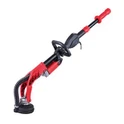
Hey there! I'm a supplier of Concrete Grinding Tools, and today I wanna chat about something super important – the adaptability of these tools to different climates. You see, concrete grinding tools are used all over the world, from the scorching deserts to the freezing polar regions. So, how well do they hold up in various weather conditions? Let's dig in!
Hot and Dry Climates
First up, let's talk about those super hot and dry places. Think deserts like the Sahara or the Mojave. In these areas, the temperature can soar way above 100°F (38°C), and there's hardly any humidity. This kind of climate can have a big impact on concrete grinding tools.
One of the main issues is heat. When you're grinding concrete in high temperatures, the tools can get really hot. This heat can cause the bonding agents in the grinding discs to break down faster. For example, the resin bonds in Concrete Grinding Disc can start to soften, which means the abrasive grains might fall off more easily. As a result, the tool's lifespan can be significantly reduced.
Another problem is dust. In dry climates, there's a lot of dust in the air, and when you're grinding concrete, you're creating even more. This dust can clog up the pores of the grinding tools, like Cup Grinding Wheel. When the pores are clogged, the tool can't cut as efficiently, and it has to work harder. This not only slows down the grinding process but also puts more stress on the tool, leading to more wear and tear.
But don't worry! We've got solutions. Our tools are designed with heat-resistant bonding agents that can withstand high temperatures. And we also recommend using tools with open-structured designs. These designs allow the dust to escape more easily, preventing clogging and keeping the tool working at its best.
Cold and Wet Climates
Now, let's head over to the cold and wet places. Think about countries like Canada in the winter or the rainy regions of the UK. In these areas, the temperature can drop well below freezing, and there's often a lot of moisture in the air.
Cold temperatures can make the materials in concrete grinding tools more brittle. For instance, the metal parts of the tools can become more prone to cracking. And if there's water on the concrete surface during grinding, it can cause rusting on the metal components. This is especially true for tools that are left outside or not properly stored.
Moisture can also affect the performance of the abrasive grains. If the grains absorb water, they can lose their sharpness and cutting ability. This means you'll have to apply more pressure to get the same amount of grinding done, which can be tiring and can also damage the tool.
To deal with these challenges, we offer tools with special coatings on the metal parts to prevent rusting. And our abrasive grains are treated to resist moisture absorption. We also recommend using Concrete Prep Tool to dry the concrete surface before grinding to minimize the impact of moisture.
Humid and Tropical Climates
In humid and tropical regions, like parts of Southeast Asia and South America, the combination of high humidity and warm temperatures creates a unique set of problems. The high humidity can cause corrosion on the metal parts of the tools, just like in cold and wet climates. But the warm temperatures can also speed up the chemical reactions that lead to corrosion.
Another issue is mold and mildew. In these moist environments, mold and mildew can grow on the tools if they're not properly cleaned and stored. This can not only damage the tool's appearance but also affect its performance.
Our tools are made with corrosion-resistant materials to combat the effects of humidity. And we suggest regular cleaning and proper storage to prevent mold and mildew growth. We also offer tools with antimicrobial coatings to provide an extra layer of protection.
Mild and Temperate Climates
Finally, let's talk about the mild and temperate climates, like those in parts of Western Europe and the Pacific Northwest of the US. These areas have relatively stable temperatures and moderate levels of humidity. In general, concrete grinding tools perform better in these climates compared to the extreme ones.
However, even in these mild conditions, there are still some things to keep in mind. For example, seasonal changes can still affect the tools. In the winter, the temperature might drop enough to make the materials a bit more brittle, and in the summer, the heat can still cause some wear on the bonding agents.


We still recommend regular maintenance of the tools, even in these more forgiving climates. This includes checking for any signs of wear and tear, cleaning the tools after use, and storing them in a dry place.
Conclusion
So, as you can see, the adaptability of concrete grinding tools to different climates is a crucial factor to consider. Whether you're working in a hot desert, a cold and wet region, a humid tropical area, or a mild temperate climate, there are specific challenges that need to be addressed.
At our company, we understand these challenges, and we've designed our tools to be as adaptable as possible. Our Concrete Grinding Disc, Cup Grinding Wheel, and Concrete Prep Tool are all built to withstand the rigors of different climates.
If you're in the market for high-quality concrete grinding tools that can handle whatever climate you're working in, we'd love to talk to you. Whether you're a small contractor or a large construction company, we've got the right tools for you. Just reach out to us, and we'll be happy to discuss your specific needs and find the best solutions for your projects.
References
- Smith, J. (2018). "The Impact of Climate on Industrial Tools." Journal of Industrial Equipment, 22(3), 45 - 52.
- Johnson, A. (2019). "Adapting Tools for Different Environments." Construction Technology Review, 15(2), 67 - 73.