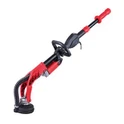
Hey there! I'm a supplier of floor grinding machines, and I know how frustrating it can be when your machine acts up. But don't worry, I'm here to share some tips on how to troubleshoot a floor grinding machine.
1. Check the Power Supply
The first thing you should do when your floor grinding machine isn't working is to check the power supply. It might sound obvious, but sometimes the simplest things are the most overlooked. Make sure the machine is properly plugged into a working outlet. If you're using an extension cord, check that it's in good condition and rated for the power requirements of the grinder. A frayed or damaged cord can cause power issues or even pose a safety hazard.
If the machine still doesn't turn on, try testing the outlet with another device. If the outlet is dead, you may need to check your circuit breaker or fuse box. Sometimes, a tripped breaker or blown fuse can cut off power to the outlet. Reset the breaker or replace the fuse if necessary.
2. Inspect the Grinding Discs
The grinding discs are a crucial part of the floor grinding machine. Over time, they can wear out, become clogged, or get damaged. If you notice that the machine isn't grinding effectively or is leaving uneven marks on the floor, it's time to check the discs.
First, look for signs of wear. If the discs are worn down to the point where the abrasive material is almost gone, they need to be replaced. Worn discs won't be able to grind the floor properly and can also put extra strain on the machine's motor.
Next, check for clogs. Sometimes, debris from the floor can get stuck in the pores of the grinding discs, reducing their effectiveness. You can clean the discs using a wire brush or a special disc cleaner. Make sure to follow the manufacturer's instructions when cleaning the discs.
If the discs are damaged, such as having cracks or chips, they should be replaced immediately. Using damaged discs can not only affect the quality of the grinding but also be dangerous.
3. Examine the Motor
The motor is the heart of the floor grinding machine. If the motor isn't working properly, the machine won't function at all. Listen for any strange noises coming from the motor. A grinding, whining, or rattling sound could indicate a problem.
Check the motor's ventilation. Overheating is a common issue with motors, and it can be caused by blocked ventilation. Make sure that the vents on the motor are clean and free of debris. You can use a compressed air canister to blow out any dust or dirt that may be blocking the vents.
If the motor is overheating, it could also be due to an electrical problem. Check the motor's wiring for any loose connections or signs of damage. If you're not comfortable working with electrical components, it's best to call a professional.
4. Look at the Belt and Pulley System
Many floor grinding machines use a belt and pulley system to transfer power from the motor to the grinding discs. If the belt is loose, worn, or damaged, it can cause the machine to operate inefficiently or not at all.
Inspect the belt for signs of wear, such as cracks, fraying, or stretching. If the belt is worn, it needs to be replaced. Make sure to use the correct size and type of belt recommended by the manufacturer.
Check the tension of the belt. A loose belt won't be able to transfer power effectively, while an overly tight belt can put extra strain on the motor and other components. You can usually adjust the belt tension using a tensioning mechanism on the machine.
Also, examine the pulleys for any signs of damage or misalignment. A misaligned pulley can cause the belt to wear unevenly and may also affect the performance of the machine.
5. Evaluate the Dust Collection System
A good dust collection system is essential for a floor grinding machine. It helps to keep the work area clean and protects the operator from inhaling dust. If the dust collection system isn't working properly, it can lead to a dusty work environment and may also affect the performance of the machine.


First, check the dust collection bag or container. If it's full, empty it. A full dust collection bag can restrict the airflow and reduce the effectiveness of the dust collection system.
Inspect the hoses and connections for any leaks or blockages. A leak in the hose can allow dust to escape, while a blockage can prevent the dust from being properly collected. Make sure all the hoses are securely connected and free of debris.
If the dust collection system still isn't working after checking these things, there may be a problem with the fan or the filter. The fan may be damaged or not spinning properly, and the filter may be clogged. You may need to replace the filter or have the fan repaired.
6. Consider the Machine's Settings
Sometimes, the problem with the floor grinding machine may be due to incorrect settings. Different floors and grinding tasks require different settings for the machine. For example, the speed, pressure, and the type of grinding discs used can all affect the performance of the machine.
Refer to the machine's manual to make sure you're using the correct settings for the floor you're working on. If you're unsure, you can also contact the manufacturer's customer support for advice.
Types of Floor Grinding Machines and Troubleshooting Specifics
We offer a variety of floor grinding machines, such as the Planetary Concrete Polisher, Cement Floor Grinder, and Planetary Concrete Grinder. Each type of machine may have some unique troubleshooting points.
- Planetary Concrete Polisher: These machines are known for their ability to achieve a high - gloss finish on concrete floors. One common issue with planetary concrete polishers is uneven polishing. This could be due to uneven wear of the polishing pads or improper machine operation. Make sure to rotate the pads regularly and follow the correct polishing pattern.
- Cement Floor Grinder: Cement floor grinders are often used for heavy - duty grinding tasks. If you're having trouble with the grinder not cutting through the cement effectively, it could be because the grinding discs aren't suitable for the hardness of the cement. You may need to switch to a more aggressive type of disc.
- Planetary Concrete Grinder: Planetary concrete grinders are versatile machines, but they can sometimes have problems with the planetary motion. If the machine isn't moving in a smooth, planetary pattern, check the gears and the drive system for any signs of damage or wear.
Conclusion
Troubleshooting a floor grinding machine can seem like a daunting task, but by following these steps, you can often identify and fix the problem yourself. Remember to always refer to the machine's manual for specific instructions and safety guidelines.
If you've tried all these troubleshooting steps and still can't get your machine to work properly, don't hesitate to reach out to us. As a floor grinding machine supplier, we have a team of experts who can provide you with further assistance and support. Whether you need replacement parts, maintenance advice, or are looking to purchase a new machine, we're here to help. Contact us today to start a discussion about your floor grinding needs and let's work together to find the best solution for your project.
References
- Manufacturer's manuals of floor grinding machines
- Industry - specific technical guides on floor grinding equipment maintenance