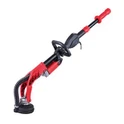
Do grinders for concrete produce a lot of dust? Well, that's a question I get asked quite often as a supplier of grinders for concrete. Let's dive right into it and break down the dust situation when it comes to these powerful machines.
First off, it's no secret that concrete grinding is a dusty job. When you're using a grinder to smooth, level, or polish a concrete surface, you're essentially chipping away at the hard material. And where there's chipping, there's dust. Concrete is made up of various aggregates like sand, gravel, and cement, and when a grinder's abrasive discs or pads start to work their magic, tiny particles of these materials are dislodged and sent flying into the air.
The amount of dust produced can vary depending on several factors. One of the biggest factors is the type of grinder you're using. For instance, a Concrete Floor Grinder Ride On is a heavy - duty machine designed for large - scale projects. These bad boys can cover a lot of ground quickly, but they also have the potential to generate a significant amount of dust. The powerful motors and large grinding heads can break down concrete at a rapid pace, releasing a cloud of fine particles.
On the other hand, a Gasoline Concrete Floor Grinder is a bit more portable and might be used for smaller jobs or in areas where electricity isn't readily available. While it may not produce as much dust as a ride - on grinder, it still creates a fair amount. The gasoline engine provides the power to drive the grinding mechanism, and as it does so, dust is an inevitable by - product.
Another factor that affects dust production is the condition of the concrete itself. If the concrete is old, brittle, or has a lot of surface imperfections, the grinder will have to work harder to achieve the desired finish. This extra effort means more material is being removed, which in turn leads to more dust. For example, if you're grinding a concrete floor that has been exposed to years of wear and tear, you're likely to see a larger dust cloud compared to a brand - new, smooth concrete surface.
The grinding process also plays a role. Concrete Floor Grinding Polishing involves multiple steps. The initial rough grinding stage usually produces the most dust because you're taking off the top layer of the concrete. As you move on to finer grits for polishing, the amount of dust decreases, but it doesn't disappear completely.
Now, the question is, what can you do about all this dust? There are several ways to control it. One of the most effective methods is using a dust collection system. Many modern concrete grinders come equipped with built - in dust collectors. These devices work by sucking up the dust as it's created, preventing it from spreading throughout the work area. The collected dust is then contained in a bag or a bin, making it easier to dispose of safely.
Wet grinding is another option. By adding water to the grinding process, you can suppress the dust. The water helps to bind the dust particles together, making them heavier and less likely to become airborne. However, wet grinding has its drawbacks. It can create a messy work environment, and you need to have a way to deal with the wastewater.
Proper ventilation is also crucial. Ensuring that the work area has good airflow can help to disperse the dust. You can use fans or open windows and doors to allow fresh air to circulate. This reduces the concentration of dust in the air, making it a safer place to work.
As a supplier of grinders for concrete, I understand the importance of balancing performance and dust control. That's why we offer a range of products that are designed with dust management in mind. Whether you're a professional contractor working on a commercial project or a DIY enthusiast tackling a home improvement job, we have the right grinder for you.
If you're in the market for a concrete grinder and want to learn more about how to manage dust effectively, we're here to help. Our team of experts can provide you with all the information you need to make an informed decision. We can also offer advice on the best dust control solutions for your specific needs.
Don't let the dust deter you from getting the job done. With the right equipment and techniques, you can minimize the dust and enjoy a clean, efficient concrete grinding experience. So, if you're ready to take on your next concrete project, get in touch with us. We're just a message or a call away. Let's work together to find the perfect grinder for your job and make sure you have all the tools you need to keep the dust under control.
Contact us today to start the conversation about your concrete grinding needs. Whether you have questions about our products, need help with dust control, or want to discuss a custom solution, we're eager to hear from you. Let's turn your concrete project into a success!


References
- Concrete Grinding Handbook, Industry Publication
- Occupational Safety and Health Administration (OSHA) Guidelines on Dust Control in Construction
- Manufacturer's Manuals for Concrete Grinders