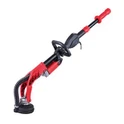
Can a grinder for concrete be used on reinforced concrete? This is a question that often comes up in the construction and renovation industries. As a supplier of grinders for concrete, I've encountered this query numerous times from our clients. In this blog, I'll delve into the details of whether a concrete grinder can be effectively and safely used on reinforced concrete.
Understanding Concrete Grinders
Before we discuss using concrete grinders on reinforced concrete, let's first understand what concrete grinders are. Concrete grinders are powerful machines designed to smooth, level, and polish concrete surfaces. They come in various types, including handheld and walk - behind models, each with its own set of features and capabilities.
Our company offers a range of high - quality grinders, such as the Grinding Concrete Floor Machine, which is known for its efficiency and durability. This machine is equipped with sharp abrasive discs that can remove surface imperfections, paint, and coatings from concrete floors. Another popular product is the Concrete Floor Sanding Machine, which is ideal for fine - tuning the surface finish of concrete floors. And the Floor Grinding Machine is a heavy - duty option suitable for large - scale projects.
What is Reinforced Concrete?
Reinforced concrete is a composite material that combines the compressive strength of concrete with the tensile strength of steel reinforcement bars (rebars). These rebars are embedded within the concrete structure to enhance its overall strength and resistance to cracking and deformation. Reinforced concrete is widely used in various construction applications, including buildings, bridges, and foundations.


Can a Concrete Grinder be Used on Reinforced Concrete?
The short answer is yes, a concrete grinder can be used on reinforced concrete, but there are several important considerations.
Advantages of Using a Concrete Grinder on Reinforced Concrete
- Surface Preparation: Concrete grinders can be used to prepare the surface of reinforced concrete for further treatment, such as coating or tiling. By removing any surface contaminants, roughness, or unevenness, the grinder ensures better adhesion of the subsequent materials.
- Smoothing and Leveling: If the reinforced concrete surface has minor irregularities or bumps, a concrete grinder can be used to smooth and level it. This is particularly important for floors where a flat and even surface is required for proper functionality and aesthetics.
Challenges and Limitations
- Damage to Rebars: One of the main concerns when using a concrete grinder on reinforced concrete is the potential damage to the rebars. If the grinder is set too deep or if the operator is not careful, the abrasive discs can come into contact with the rebars, causing them to be cut, scratched, or otherwise damaged. This can compromise the structural integrity of the reinforced concrete.
- Dust and Debris: Grinding reinforced concrete generates a significant amount of dust and debris, which may contain small particles of steel from the rebars. This dust can be hazardous to the health of the operator and others in the vicinity if proper safety measures are not taken. Additionally, the steel particles in the dust can be abrasive and may cause damage to the grinder itself if not properly filtered.
- Hardness Variation: Reinforced concrete has a different hardness profile compared to plain concrete due to the presence of rebars. The areas around the rebars are generally harder, which can make the grinding process more difficult and may require different grinding techniques and abrasive discs.
Tips for Using a Concrete Grinder on Reinforced Concrete
- Inspect the Reinforced Concrete: Before starting the grinding process, it is essential to inspect the reinforced concrete to determine the location and depth of the rebars. This can be done using non - destructive testing methods, such as ground - penetrating radar or electromagnetic locators. Once the location of the rebars is known, the operator can take appropriate precautions to avoid damaging them.
- Choose the Right Grinding Discs: Selecting the appropriate grinding discs is crucial when working on reinforced concrete. Harder and more durable discs are recommended to withstand the increased hardness around the rebars. Additionally, discs with a self - sharpening feature can help maintain the cutting efficiency during the grinding process.
- Control the Grinding Depth: Set the grinding depth carefully to avoid reaching the rebars. It is advisable to start with a shallow depth and gradually increase it if necessary. This allows the operator to monitor the grinding process and make adjustments as needed.
- Use Proper Safety Equipment: To protect against the dust and debris generated during grinding, the operator should wear appropriate personal protective equipment, including a respirator, safety glasses, and hearing protection. Additionally, the work area should be properly ventilated, and a dust collection system should be used to minimize the spread of dust.
Case Studies
Let's look at a few real - world examples of using concrete grinders on reinforced concrete.
In a commercial building renovation project, the contractor needed to prepare the reinforced concrete floors for a new epoxy coating. By following the above tips, they were able to use a concrete grinder to smooth and level the floors without damaging the rebars. The proper selection of grinding discs and careful control of the grinding depth ensured a successful surface preparation, and the subsequent epoxy coating adhered well to the prepared surface.
In another case, a bridge maintenance project required the removal of a deteriorated concrete layer from the reinforced concrete deck. The contractor used a high - powered concrete grinder with specialized abrasive discs. However, due to a lack of proper inspection and depth control, the grinder damaged some of the rebars. This led to additional repair work and delays in the project, highlighting the importance of following the recommended procedures when using a concrete grinder on reinforced concrete.
Conclusion
In conclusion, a concrete grinder can be used on reinforced concrete, but it requires careful planning, proper equipment selection, and skilled operation. When used correctly, a concrete grinder can effectively prepare, smooth, and level the surface of reinforced concrete. However, if not handled properly, it can cause damage to the rebars and pose health and safety risks.
As a supplier of grinders for concrete, we are committed to providing our customers with the best products and advice. If you are considering using a concrete grinder on reinforced concrete, we encourage you to contact us for more information and guidance. Our team of experts can help you choose the right grinder and provide you with tips on how to use it safely and effectively. Whether you are working on a small - scale renovation project or a large - scale construction job, we have the solutions to meet your needs.
References
- "Concrete Construction Handbook" by Edward G. Nawy
- "Reinforced Concrete Design" by Jack C. McCormac and Russell H. Brown
- Industry standards and guidelines related to concrete grinding and reinforced concrete construction